AI Is Changing What Happens Between the Alert and the Response
A leak alert reached me on vacation in Hawaii, and the sensor was the easy part. How AI is closing the gap between a smart home alert and the response, and what it still can’t do.
Short answer: AI is making smart home alerts more useful in three ways. It filters out the noise, it verifies what actually happened, and it lets some devices act on their own, like a camera that turns on a light and speaks a warning, or a water valve that shuts off the main line. What it can’t do is go and look. Every smart home still needs a response plan: someone who finds out if you don’t, and someone who can get there.
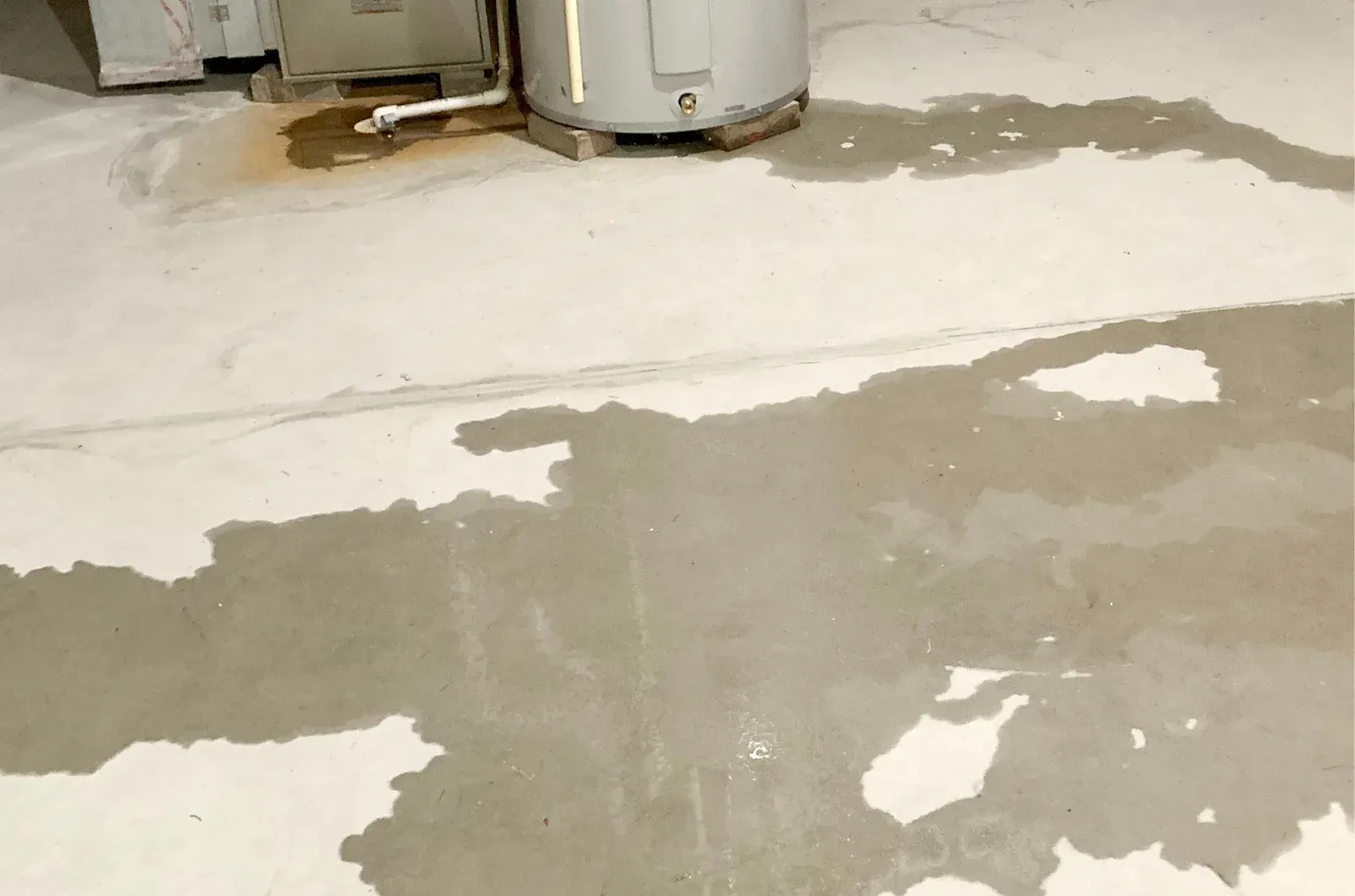
I was on vacation in Hawaii when my phone told me there was water in my basement.
The leak sensor did its job. It detected moisture and sent the alert within seconds. And then it was done, because that is all a sensor can do. I was an ocean away, looking at a notification.
What happened next had nothing to do with the sensor. I reached a family member, who let themselves in with their own code on my smart lock and went downstairs to look. It was condensation. The whole thing was resolved the same day.
A leak isn’t a break-in, but I think about that afternoon whenever someone asks me how AI is changing the way our homes protect themselves. The detection was never the hard part. The hard part is the gap between the alert and the response: who finds out, how fast, and what they can do about it. That gap is where AI is doing its most useful work right now, in three steps: filtering, verifying, and acting.
AI as a filter
The old complaint about smart cameras was noise. A motion sensor does not know the difference between a person on your porch and a branch moving in the wind, so you got forty notifications a day and learned to ignore all of them. An alert you ignore is worse than no alert, because it trains you to ignore the one that matters.
AI fixed most of that. Cameras can now tell a person from a pet, a car from a package, and in some cases a familiar face from an unfamiliar one. The result is fewer alerts that mean more.
That is a real improvement, and for a lot of households it is enough. But notice what did not change: the alert still has to reach you, and you still have to act on it. If you are asleep, on a flight, in a meeting, or somewhere without signal, the smartest notification in the world sits unread.
AI that verifies
A filtered alert tells you something happened. The next question is whether it matters.
Newer video analytics can confirm that the motion at the back door is a person and not a raccoon. Some go further and separate expected activity from unexpected: the car that pulls in every evening and the people who live there are treated differently from a stranger at the side gate at 3 a.m.
Verification matters because every response has a cost. Whether you leave work, call a neighbor, or have a service that sends responders, you want to be right first. False alarms waste responders’ time, and in many cities they come with fines.
AI that acts
The newest step is devices that respond on their own. When a person is detected where they should not be, a camera can turn on a light and issue a spoken warning within seconds, before anyone has touched a door. Deterring a break-in is better than just recording one.
The same idea applies to the leak that started this post. The step beyond a leak sensor is a smart water valve on the main line. When a sensor detects water, or when the valve itself notices flow that does not match how the house normally uses water, it shuts the supply off. Nobody has to see a notification first. With a burst pipe and an empty house, that is the difference between a wet floor and a flooded basement.
It helps to separate the two triggers. A sensor telling a valve to close is plain automation, and it has worked reliably for years. The learning part is a valve that can tell a long shower from a pipe that has been running for two hours.
I don’t have one yet, and I should. But it would not have changed my Hawaii story. Condensation is not a leak, so a valve watching the water line would have seen nothing wrong. The sensor would still have sent the alert, and I would still have needed someone to go downstairs and look.
This is the first time devices themselves are closing part of the gap without waiting for a human. It is worth being clear about the limits, though. A light and a voice discourage someone; they do not stop someone who is determined. A closed valve stops the water; it does not dry the floor or tell you what went wrong.
What AI still can’t do
It can’t walk downstairs and look at your basement floor.
My Hawaii story ended well because of two things that had nothing to do with AI: I saw the alert, and I had already given someone I trust a way into the house. The same lock codes I set up for family and for the neighbors who let the dog out turned a notification into an answer.
That is a response plan, and every smart home needs one. It comes down to two questions: who finds out if you don’t, and who can physically get there? For some people the answer is a relative or neighbor with a code. For others it is a monitoring service that watches for alarms around the clock. Either can work. Having no answer is the only option that doesn’t.
So before you buy anything new, three questions cut through the “AI-powered” label on the box:
- What happens if I never look at my phone?
- Which AI features are included, and which need a subscription?
- Where is my video analyzed, and what can I switch off?
My leak sensor still works exactly the way it did in Hawaii. What I have learned since is that the device was never the system. The system is everything that happens after the alert, and that is the part worth shopping for.
I work in the smart home and security industry. Views here are my own, not my employer’s.